Jane Lo & Rob Whitten, p!ng
We welcome entrepreneurs Jane Lo and Rob Whitten to the Coffee People podcast.
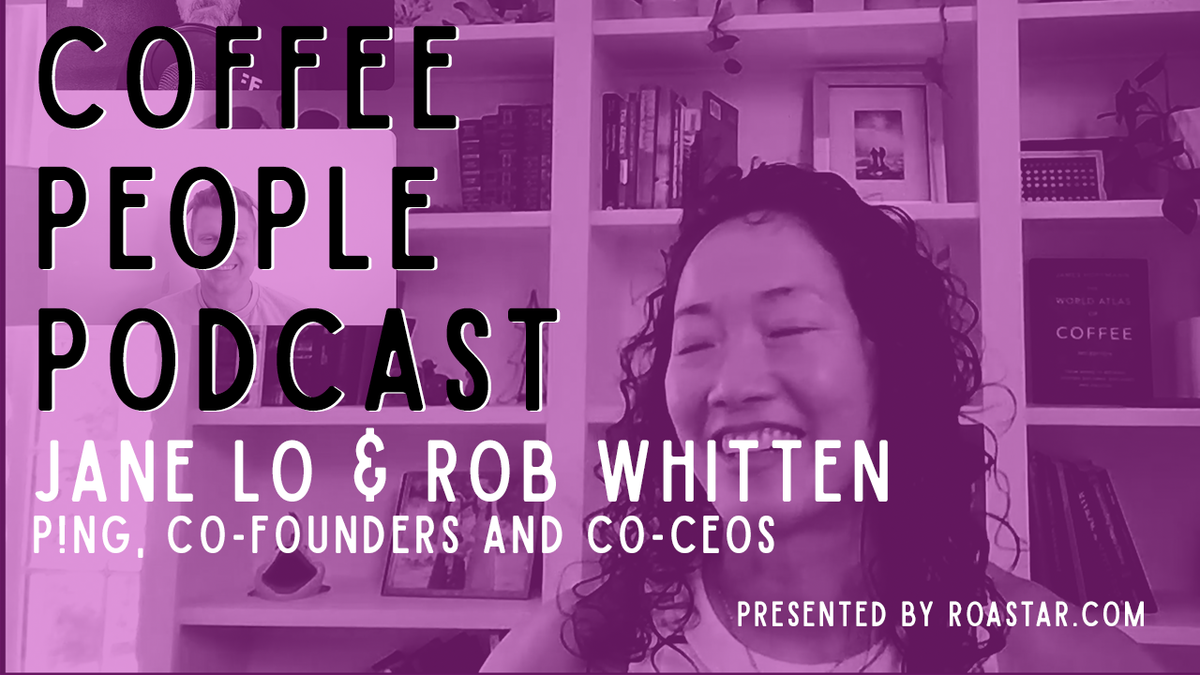
We welcome entrepreneurs Jane Lo and Rob Whitten to the Coffee People podcast.
Full video posted below, or watch and/or listen to Coffee People on:
Apple Podcasts • YouTube • Spotify • All Your Favorite Platforms!
Title: Co-Founders and Co-CEOs
Company: p!ng (robotic coffee drive-thru)
Location: Hudson, NH
Find online: https://wefunder.com/ping • https://pingthru.com/
What they drink: Jane - black coffee or espresso. Rob - latte.
"The other day, you know, I was talking with another founder. We were joking about how for awhile, it was kind of, trendy to say "Oh, I'm in founder mode right now."
And we used to laugh about it, but once you get there, like once you get to the point where you're so committed to something, and this is all you really think about or do—we don't need a ton of money because we are not interesting right now. We do our business. That is it! We don't travel right now. We don't—this is what we do day in and day out. And so, once you get into that mode, I think you realize, you can't just sort-of do something...if you're doing that you're not really committing yourself. In my mind, I don't think you're really achieving what you could be achieving as a founder, if you're not really fully committed.
• Rob Whitten
Ordering coffee bags or tubes? Use code: COFFEEPEOPLE10 for 10% off your order.
What is p!ng? The PR e-mail I received way back in early April gave me an inkling.
...p!ng, a micro-retail robotics startup tackling the $8 billion line-balk issue with a drive-thru pod that prepares coffee as you roll up, all thanks to proprietary robotics and AI.
p!ng is not just another coffee concept—it’s a rethink of the old drive-thru, using a 120-square-foot pod to serve 360 drinks per hour with almost no wait and 75% less overhead. By partnering with Cometeer for coffee consistency, and integrating app ordering that skips the usual click fatigue, p!ng has turned parking lots into high-margin retail hubs. Their pilot location even served fire trucks in the early rush.
• From the original e-mail inquiry about a guest spot on the show.
I warned that I would likely not be a cuddly coffee podcast host as a lifelong employee-first hospitality person with a general aversion to AI,* but I would be willing to go back and forth to hear about the business.
Ultimately, what I came away with is that Jane and Rob are entrepreneurs with experience in technical fields looking to use what tools they have available to get their product to market. This is not unlike many of the guests on our show, just with the added components of robotics and the use of artificial intelligence in their company.
They were inspired by a real-world frustration. Came up with a solution and decided it was worth the risk. That it touches the coffee industry isn't a surprise, considering the proliferation of coffee shops and the challenges that come with creating consistency and finding labor. p!ng may be on Coffee People as a coffee business, but I'd proffer that they are more of a general cold beverage service that—by their accounting—differentiate themselves through speed and convenience.
Early in our chat, Jane mentioned that some (not all) people who drive through still want to say, "Hi," or to have some sort of interaction. That made me wonder if engaging with a robot or AI-infused machine will ever give us the same endorphin rush as talking to another human. I've asked several colleagues this over the past few weeks. The responses varied widely.
"No. Absolutely, not."
"Why not? I already get that from talking to a person through a screen? It's still a digital projection."
"The human part is essential."
"We anthropomorphize pets, stuffed animals, trees...why not a robot?"
I don't know the answer, and I don't know that it really matters for p!ng. When I followed up to ask Jane and Rob, Jane quickly replied.
"To your question: site hosts are essential at pod launches and during peak hours to direct traffic and answer questions. But once customers learn the process, they fly through on return visits. Interestingly, during our pilot (which had no site hosts), customers figured it out themselves and were even more wowed by the fully autonomous experience—some were actually disappointed when Rob came out to say, "Hi." We have hundreds of delighted customer reactions to prove it. So, we end up capturing both types: people who want help and people who want zero interaction."
• Jane Lo
*My aversion to AI isn't really about the creation of artificial intelligence or the advancement of technology. It is more about the companies that have been developing it, how they are using it (and us) to create a product without many safeguards, oversight, or willingness to acknowledge that scraping the internet for content from shows, books, podcasts, art, etc to use in it's creation is, at the very least, ethically fraught.
I'm fatigued by the reduction of my life down to data being used to monetize my existence. So far, the things AI has been doing well, are the things that I still want to do. Now, if an AI is available that can come out to the house to replace an old window or pick up the dog droppings in the yard, I'm all ears.
I wrote more on this topic in a recent newsletter proclaiming myself a Luda-ite.
 Ryan Woldt
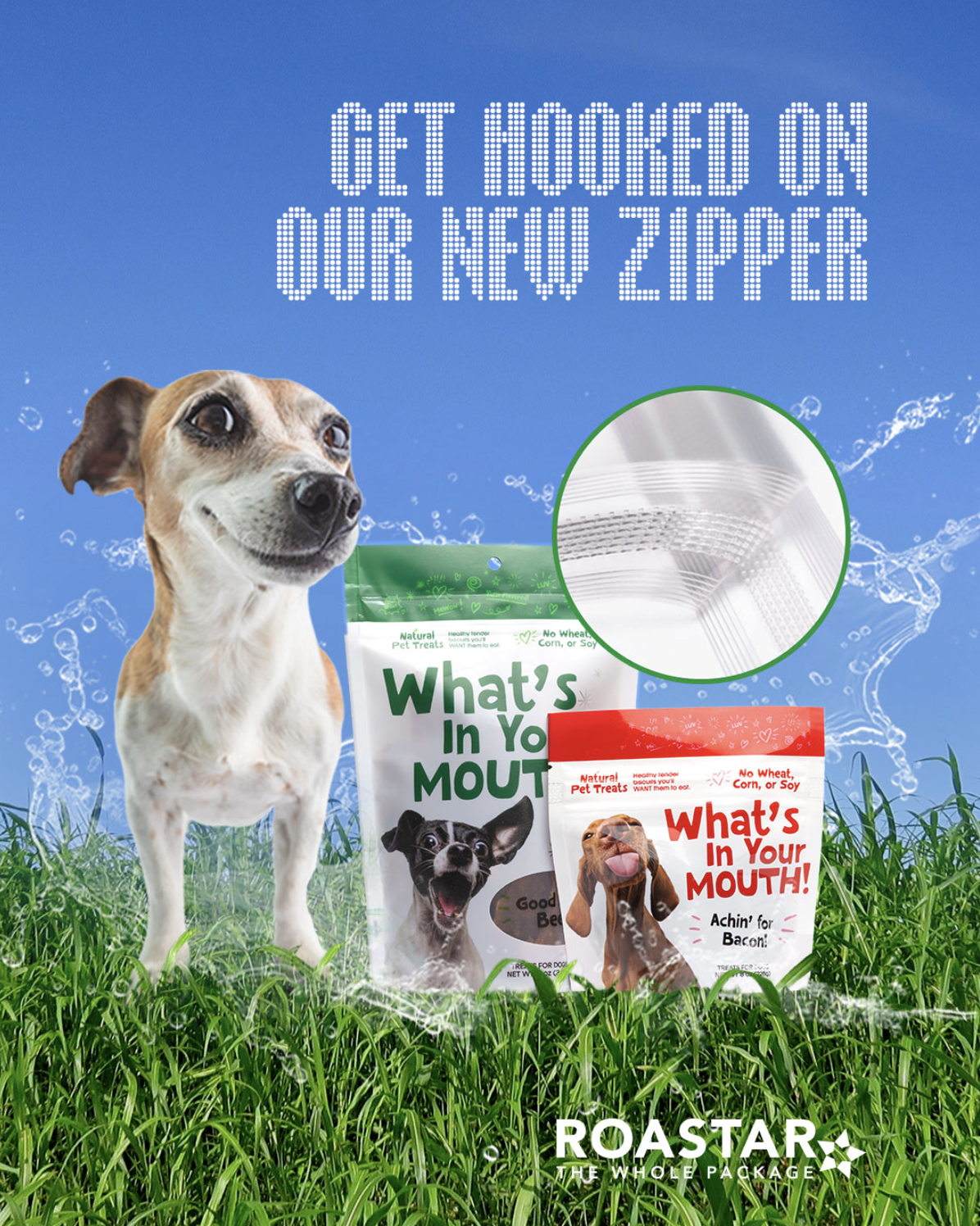
Over 15 years, Roastar has seen some things. The focus has been on coffee, but sometimes products overlap. Their resealable hook-to-hook zippers make their stand-up pouches an option for all kinds of packaged goods, including dog treats.
New Merch! Represent CPAS.
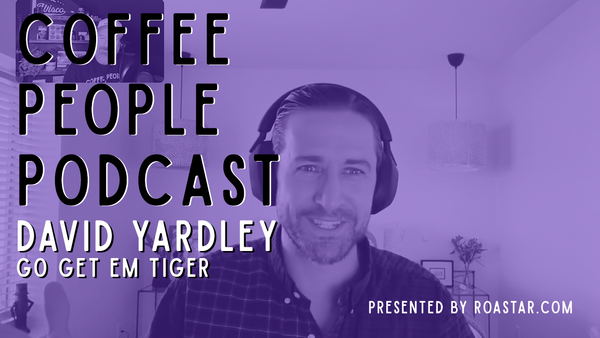
Go Get Em Tiger's CEO David Yardley shares their plans for Roasted At Origin, a new coffee program where producers also roast the coffee.
Ben Jones recaps the collaborative vibe at Roast Magazine's 2026 Roast Summit in Portland, OR.
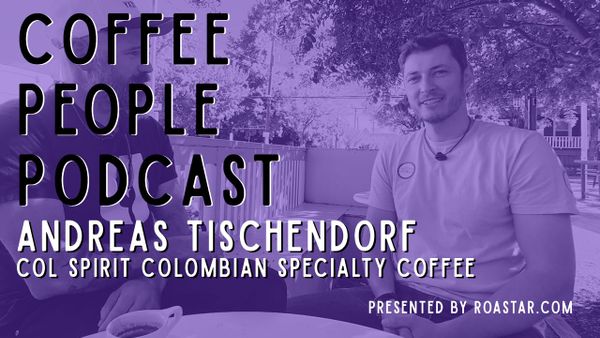
Col Spirit's Andreas Tischendorf joins the podcast to chat about the logistics of working in a family business and bringing specialty Colombian coffee to the world.
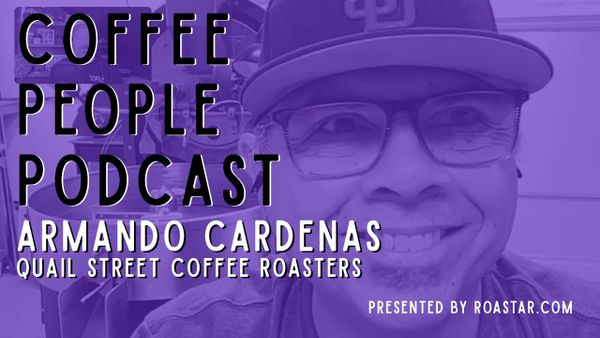
Quail Street Coffee Roaster's Armando Cardenas joins the Coffee People podcast to talk about the double-edged sword that comes with jumping into a coffee roasting business without a net.