BONUS: Welcome to our LUDA-ite Era.
We've entered our Luda-ite era. Thoughts on the invasion of AI into our podcasting workflow and what Coffee People plans to do about it.
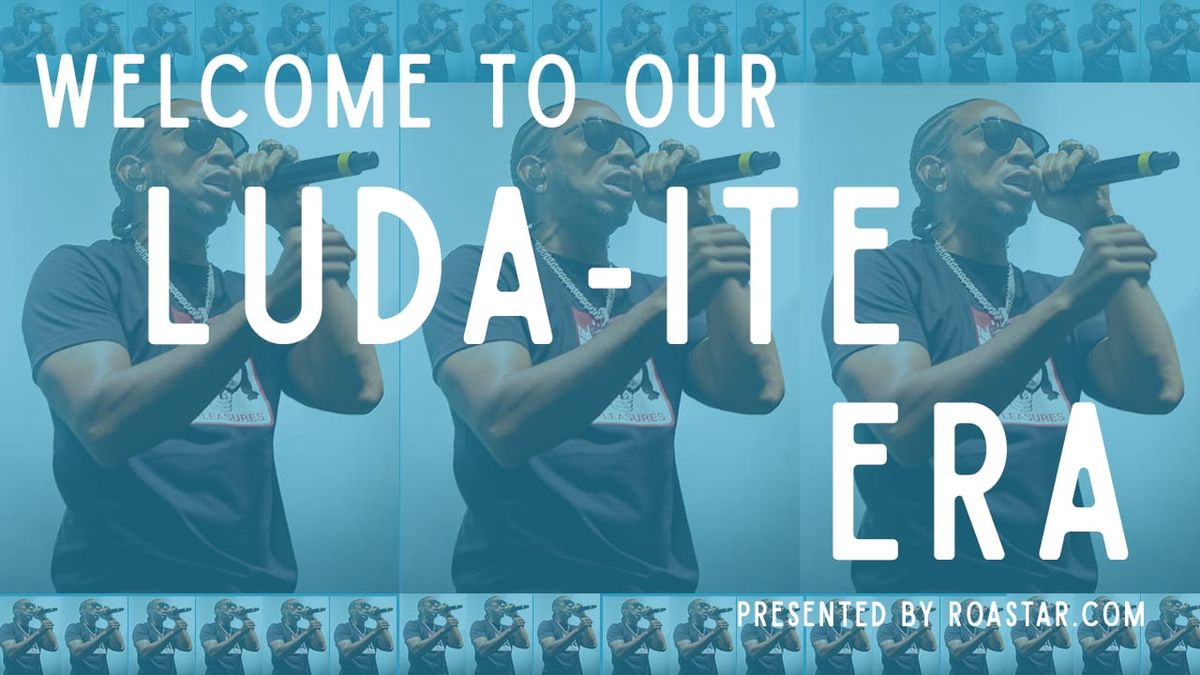
We've entered our Luda-ite era. Thoughts on the invasion of AI into our podcasting workflow and what Coffee People plans to do about it.
I have not been actively engaging with artificial intelligence (AI) to make this show. I don't use ChatGPT to create topic lists or automate clip production. I don't doubt it has crept into my workflow in the background of various design and recording platforms, or even spell checkers, but it isn't something I use to create this content.
Recently, the CoffeeFest NYC podcast guest Taka Kirstein of Takayoshi.Co directed me to Adobe Podcasts.* There you can drop audio into the AI-powered app, and it will do all the clean up of the audio for you. For interviews recorded on-location with lots of background noise (like at a convention or in a coffee shop) this could be incredibly helpful in terms of workflow and clarity. I tested one of the clips from the Taka episode. Here it is without the Ai software, and followed by the edit.
Original version published:
The edit:
It was really impressive. All the background noise, the chatter from convention attendees at the Roastar booth, milk being steamed across the aisle, and equipment being fired up in the adjacent rows—gone. Our voices were modulated to enhance their richness. Taka and I sounded like news broadcasters from the 1980s.
And yet...
I think maybe it lost something, too. It lost the background noise, the chatter, the milk steaming. It lost the ambiance, the emotion, the heart of CoffeeFest, and the added context of having conversations amidst the chaos.
I'm not anti-technology. For the most part, I've been an early-ish adopter. I wait till some of the kinks are worked out and get the second or third generation of the new thing. For example, I was the first non-drug dealer in my school to get a pager.** I got an MP3 CD player when they were still Discman clones. I was one of the first beta users of Pinterest and Yelp.
But as we've gone into an exponentially steeper section of the technological advancement curve, the returns (in my opinion) seem less and less geared towards novelty, creating enjoyment, and/or easing the challenge of a task. I was thinking about this a lot while recently fuming over an exchange I had with AI-powered chatbot for the major financial software company I use to accept credit cards IRL.
Someone (not me) was attempting to access the account and my banking information. Scary stuff. I got a text alert while I was driving. "Is this you? If so, ignore this message. If not contact..."
With what limited access I had to my phone i.e. at stoplights (NOT RECOMMENDED). I attempted to contact someone, anyone, at the company to stop the access. Instead, I got the chatbot. I'll spare you the details, but it was not helpful, in part because I couldn't follow the dozens of prompts while driving. I asked to speak to a person. The response was surprising.
"I'm sure this is frustrating, and someone attempting to access your account is scary, but I assure you, I am better than a human. I have access to all the data needed to help you. Do this....But don't do this until you are no longer driving. Your safety is important to me. Drive safely!"
Of course, I didn't see that until I was at my destination along with a follow up from the bot suggesting that because I had not yet responded it assumed it had solved my problem, and would I mind, terribly, filling out a short survey letting the company know that I thought it had done a great job?
I did mind. I canceled my account. If fraud isn't enough to get someone on the phone in the moment, what is?
I'll roll back to my statement earlier: I'm not anti-technology (historically). As I'm navigating where I stand on the value AI and how I want to engage with it, I've been marinating a lot on the technology I do use. I like having a cell phone to text, find my destination, and send funny notes (or grocery thoughts) to my wife. I like the internet as a place to share thoughts, copy a recipe, research something I didn't understand, or access music. USB drives, searching, video chatting, etc, it's all good. Hybrid cars, you betcha. Tap to pay on the metro, love it.
The Luddites were (at first) a group of 19th century textile workers in England who feared being put out of work by new automated weaving machines. The new machines made it possible to create more product faster with less labor. The cost savings being passed on to the factory owners. Why does this sound familiar...
To combat the supposed scourge of automation they destroyed modernized weaving machines and sent threatening notes to mill owners, government officials, and participated in protests that were soon joined by other groups fearing obsolescence due to improved machine technology. Protests led to violence and the government using the military and judiciary to quell the uprising. Again, this all feels hazily familiar despite occurring 200+ years ago...
The term Luddite has since been used to describe someone who is opposed or resistant to new technologies.
Back to my existential self-questioning the use of AI in my Coffee People podcast workflow and life, generally. At some point, it occurred to me that the most enjoyment and benefit I feel I've gotten from new tech, at least without the constant feeling that I was giving up something—privacy, time, data, a less apocalyptic future—was the early to mid-2000s, right about the time Ludacris was becoming a pop culture icon and hip-hop star.
Therefore, I am proclaiming—at least for the moment—that despite my resistance to AI usage in the podcast, I'm not a Luddite. I am a LUDA-ite.
If it was around during the musical heights of Ludacris,*** I'm probably all in. I'm not giving up on tech. I'm just not blindly going into the future under the assumption that the new is always better even if it seems like it might, at first, be beneficial.
In this moment, it seems that AI is equally being hailed as the future and the impetus for the apocalypse. I don't know if it is either. I do know that I can't turn around or sit down without some sort of AI being pushed onto my life in the form of chatbots, searches, software, etc. Since Luda has featured so prominently in this blog, I feel like I should turn to him to express my feelings about the moment.
Why this had to be shot in a bathroom, I don't know, but what charisma!
For now, we won't be using AI to generate this show, the clips, or the content. The creation of Coffee People, the real tangible conversations, the work on the audio and video, the writing of the newsletter, that's what I love to do. Making it, doing it well (hopefully), and continually trying to improve are part of this creative and career effort.
Maybe someday that will change. Soon, it may need to, to continue pushing forward. I'm already seeing the impacts of AI in our analytics, where massive audience spikes are occurring around major data centers and Ai-internet scrubbing operations.
Until then, like getting a cup of coffee at the local coffee shop, I'll relish the moments where it is guests like Taka and me having a conversation.
*From Adobe's Terms of Service: Generative AI. We will not use your Content to train generative AI models except for Content you chose to submit to the Adobe Stock marketplace, and this use is governed by the separate Adobe Stock Contributor Agreement.
However, the terms also give Adobe the right to reproduce, distribute, and create derivative works of your work, which don't seem to have the same restriction. Different Adobe products list different terms on individual pages, but all link back to their main general terms page, making it confusing as to which is the actual term.
Tech companies have long lived by the mantra to work fast and break things, while asking for forgiveness (or not) later. My level of confidence most terms of service are not being manipulated to work against the consumer is low. Not quite conspiracy theory low, but more along the idea that terms are created by legal teams, not the people or machines creating the product.
I don't think many people regularly read Terms of Service documents unless they are writing a killer blog. That means that by the human default setting, most of the people working on these products aren't either.
**Thanks, Mountain Dew! I won a branded pager and a year of service in a contest at the local grocery store.
***I do not subscribe the Chris 'Ludacris' Bridges Fast & Furious actor era as the height of his pop culture success.
Bonus AI content. Check out this well-researched article from Ronan Farrow and Andrew Marantz in the New Yorker.
 Ronan Farrow and Andrew Marantz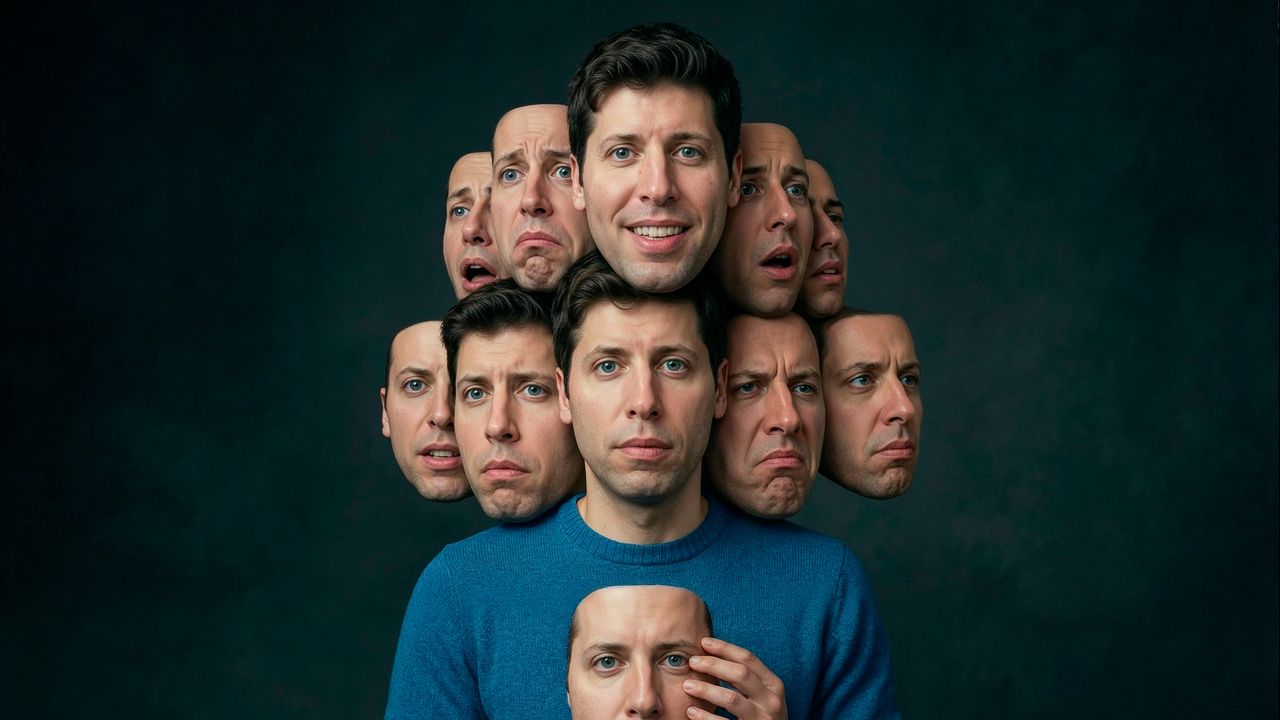
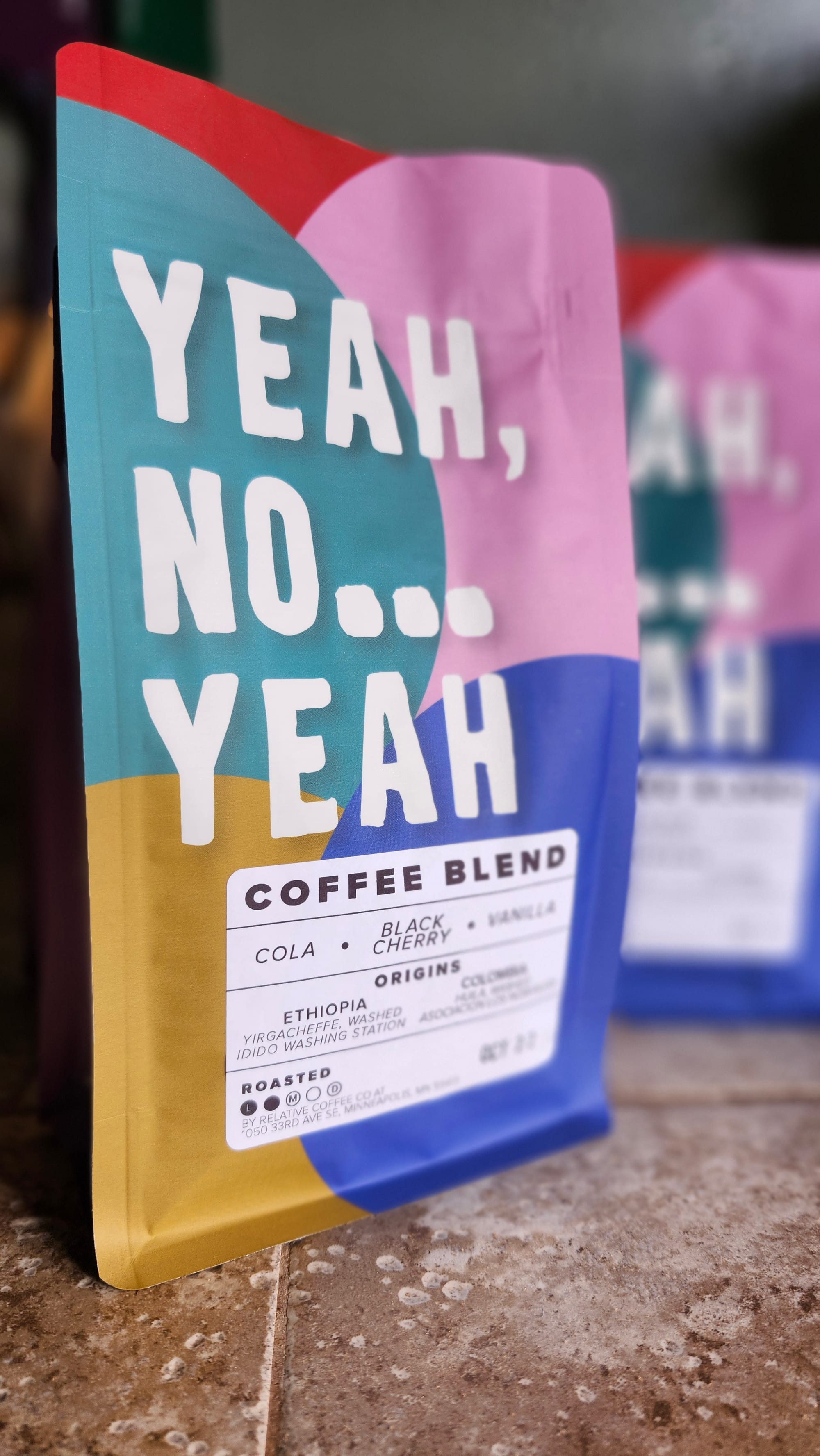
SUBSCRIBE: Becoming a paying supporter of Coffee People, and I'll send you a bag of Yeah, No...Yeah Coffee. Now available on Etsy and RelativeCoffee.com.
Be sure to check out all of our Coffee People Are Sexy gear in our online Etsy shop.

Yeek yeek! (Woop, woop) why you all in my ear?
Talking a whole bunch of stuff that I ain't trying to hear!
Get back. Get Back! you don't know me like that!
Get back. Get Back! you don't know me like that!
Brilliant.
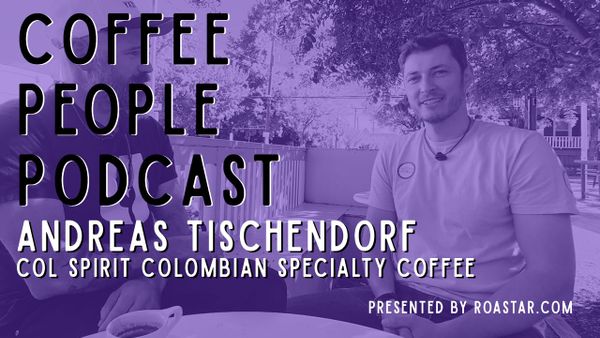
Col Spirit's Andreas Tischendorf joins the podcast to chat about the logistics of working in a family business and bringing specialty Colombian coffee to the world.

Quail Street Coffee Roaster's Armando Cardenas joins the Coffee People podcast to talk about the double-edged sword that comes with jumping into a coffee roasting business without a net.

A look back at coffee conversations from season one of the Coffee People Podcast.

Barista Magazine's Co-Founder Kenneth Olson reflects on the magazine's recent IRL Camp Coffee Shop gathering.