Top Mistakes to Avoid When Ordering Packaging.
Packaging 101: Are you making one of these common mistakes? The experts are here to help.
This article from the blog on Roastar.com discusses some common mistakes coffee roasters make when ordering packaging. Avoiding the mistakes on this checklist will ensure that a roaster's packages offer the right mix of quality, design, and functionality for their business. They'll be the complete package...
See what we did there?
The following was originally written for the Roastar blog on Roastar.com. It was originally published October 29, 2025. Additional photos ©Ryan Woldt.
Packaging isn’t just a container—it’s a frontline defender of your product's freshness, integrity, and brand. When it’s done right, it can elevate your business. When it’s not, it can tank shelf life, delay launches, and wreak havoc on customer expectations.
Turns out, even the best coffee beans go stale in the wrong bag. Roastar’s resident Roastar coffee expert Nick and Len Geiger from California Roasting Collective have come together to give you the inside scoop on how to avoid packaging mistakes that sabotage your product.
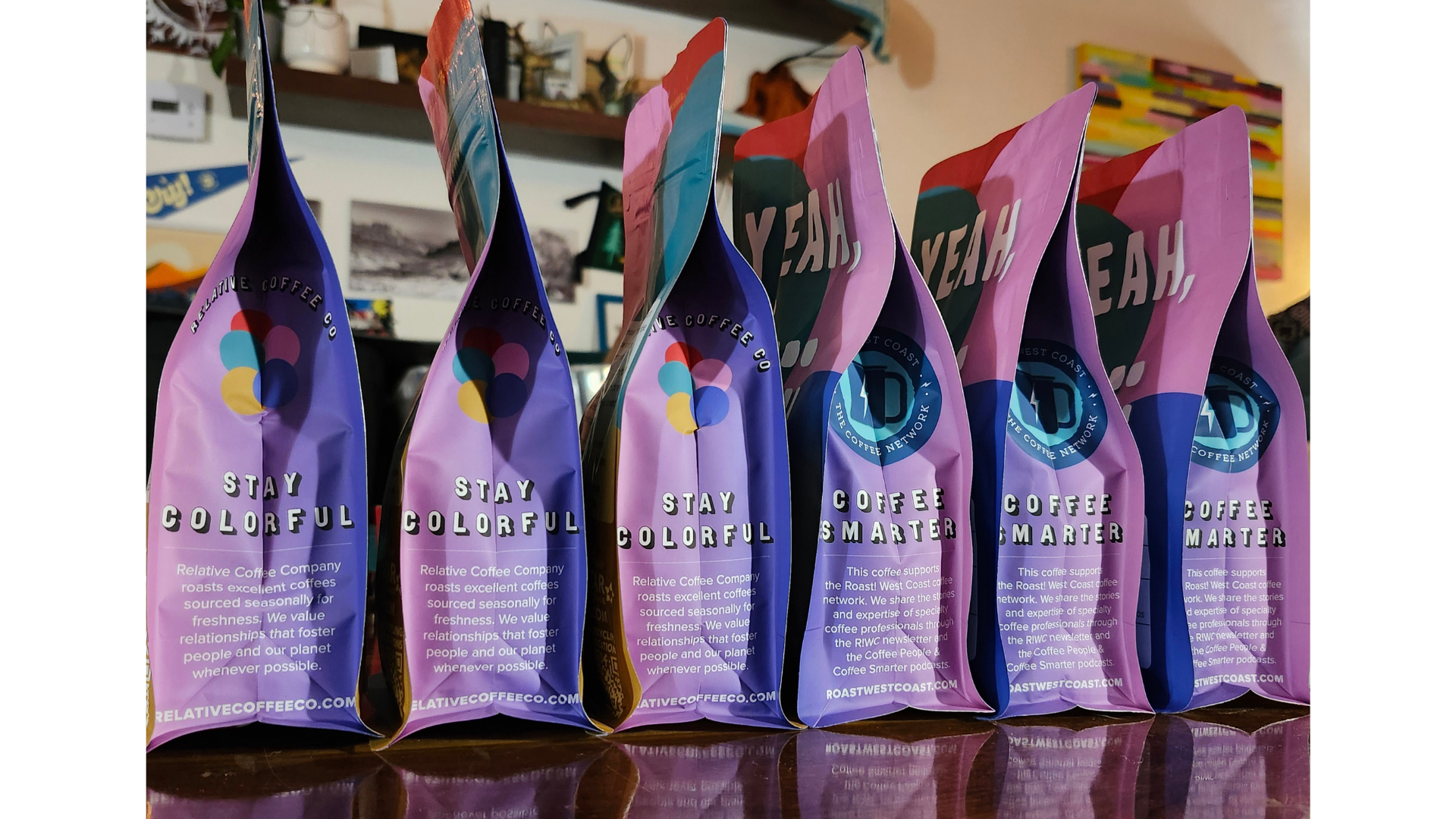
The Mistake: Adding too much or too little coffee to a bag might seem minor, but it can stress the seals or make customers feel short-changed.
The Fix: Trial filling with Roastar’s samples lets you find your Goldilocks zone. Pair that with a weigh and fill system for consistency and speed. Ensure your equipment is calibrated, whether you're hand-filling on a scale or using a weigh-and-fill dosing machine, to help your customers receive a consistent volume with each bag.
Pro Tip from Len: "We do auto weigh-and-fill systems. If you have good, calibrated equipment, you’re not going to be running into issues. Overfill, nobody complains. Underfill? It’s crazy how many customers actually weigh it."
The Mistake: Chasing bulk discounts without historical sales data can backfire—resulting in wasted spend, overstocked inventory, or packaging that expires before it’s ever used.
The Fix: When you don't have performance data to calculate your custom packaging needs, leave room for flexibility by starting small. Or lean into custom labels for different SKUs on a custom bag design while your brand evolves.
Pro Tip from Len: “Buy smaller amounts if you’re going custom. New roasters end up buying way too much packaging because they think 5,000 bags at 50 cents is a better deal than a 1,000 bag run at a dollar.”
The Mistake: Choosing a material that looks great but lacks on performance.
The Fix: Ask your supplier for a specs sheet—this will have all the information you need to know about permeability. Then, estimate the time between filling the packaging and customer use to choose the best material for you. What works at a farmers' market won't cut it on a grocery shelf.
Note from Nick: "Avoid the three things that make coffee go stale, which is light, oxygen, and moisture. Choose a material that combats those things."
The Mistake: Underpowered impulse sealers on thick kraft bags. Or worse, seals that look fine until they split in transit.
The Fix: Use the right tool for your material. Roastar bags work well with both direct and impulse sealers, just be sure your temperature is dialed in. For detailed info on recommended heat sealers and ideal temperature settings, read our blog.
Note from Nick: “We like to do a test where we fill a bag with the amount of coffee it’s supposed to hold and then drop it from various heights. That can help you get your heat temperature settings right to ensure you’ve got a solid and secure seal.”
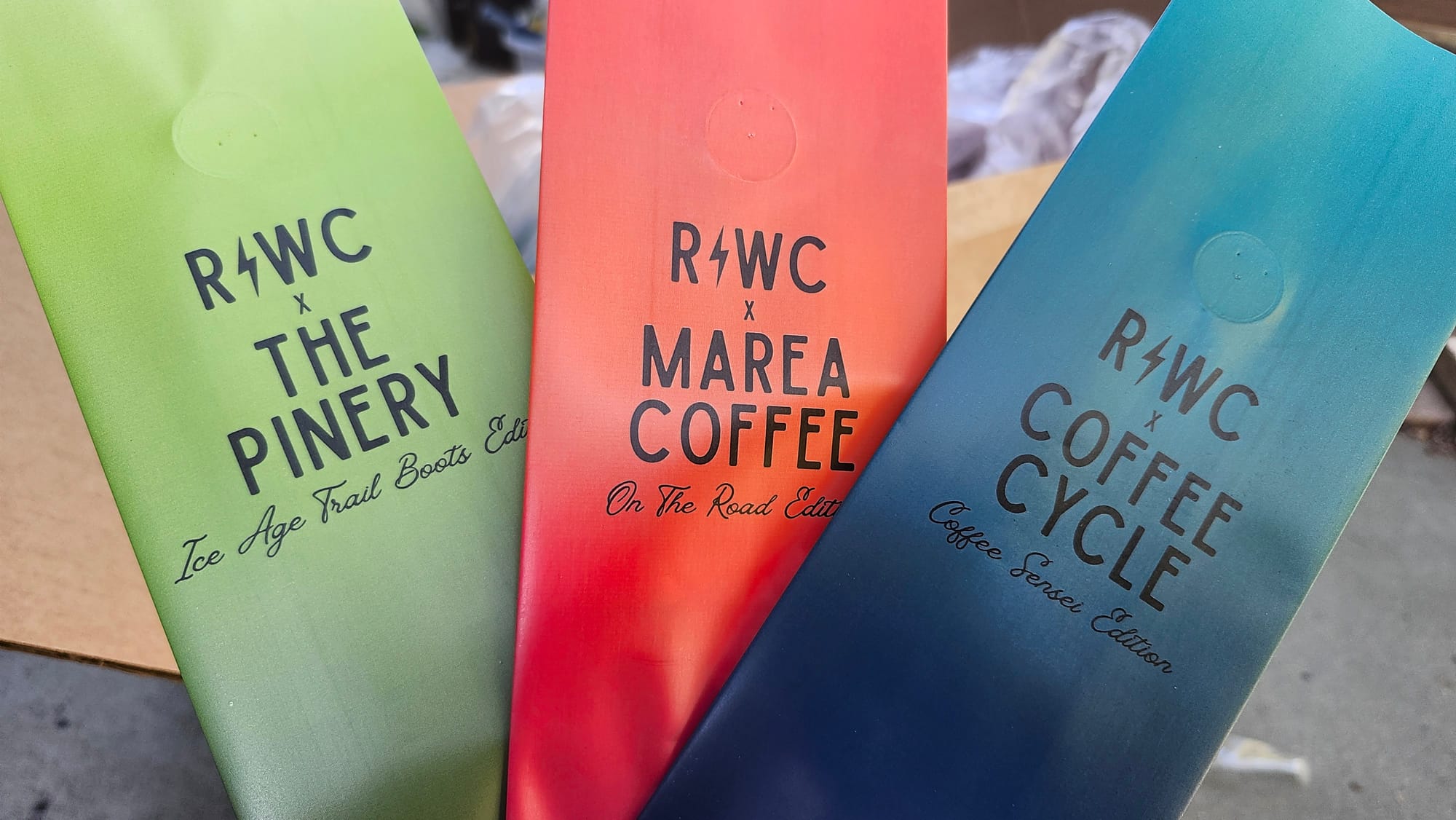
The Mistake: Leaving out a degassing valve to save a few cents (or because you're new and don’t know better).
The Fix: If your beans are fresh, they need to off-gas. A one-way degassing valve lets CO2 escape while keeping oxygen out. Freshness, protected.
Pro Tip from Len: "With a degassing valve, whole beans are good for three months with quality and freshness. Nitrogen sealing can add maybe another month to it. After that, try it yourself—everybody’s coffee degrades differently.”


Check out all our Coffee Smarter columns!
The Mistake: Neglecting the food-safe criteria when it comes to packaging tools.
The Fix: Choose non-corrosive materials that stand up to safety regulations. The Roastar forming shoe, crafted from corrosion resistant aerospace aluminum, is food-safe tool and easy to clean.
Note from Nick: “A wooden forming shoe and a Roastar forming shoe do the same thing, but in a commercial space, wood won’t be viewed as food-safe by a health inspector. Our forming shoe can be easily cleaned and sanitized.”
The Mistake: Approving a design without seeing how it prints. Screens universally use RGB (light) color profiling and print uses CMYK (ink). Colors that look bright and bold on a screen may be less brilliant when printed.
The Fix: Always request a flat printed proof before placing a large order. By viewing your artwork printed on the same material as your bag, you’ll know exactly how the final product will look and catch any unexpected color changes. It’s worth it to take this small extra step so you can be confident that you'll love how your project turns out.
Note from Nick: “We offer free printed flats for a really good reason. Take advantage of the ability to see the artwork printed and make sure the colors look good.”
The Mistake: Going big with wild formats or too many packaging SKUs without a clear plan.
The Fix: Keep it simple, especially early on. Fancy formats can complicate filling, sealing, and display and often lead to labor costs that eat your margins.
Pro Tip from Len: “Some concepts sound great on paper, but then when you finally do it, you realize that the cost of labor is way more. Keep it simple as you’re growing.”
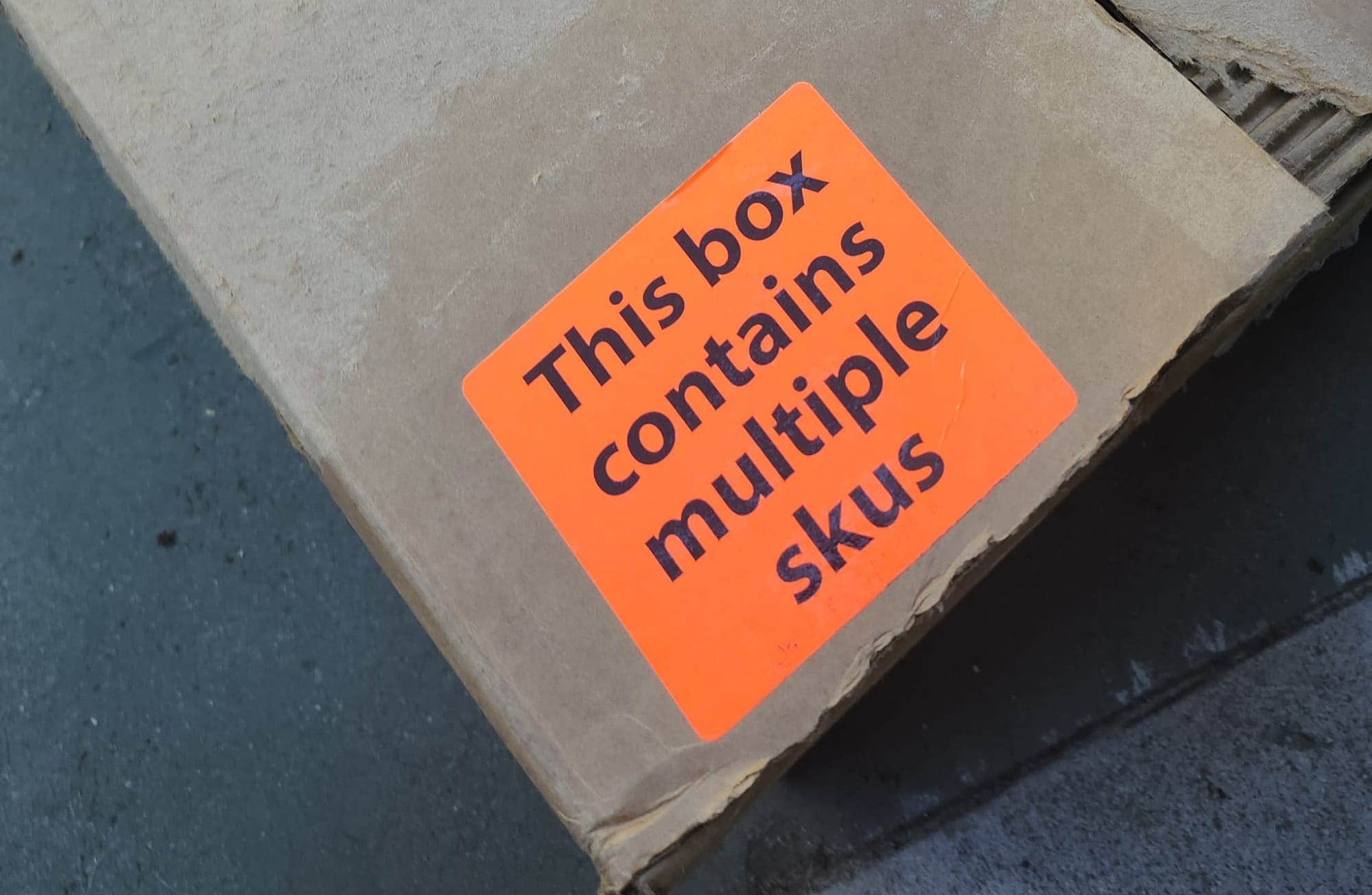
The Mistake: Using bags that don’t suit how you’re selling your beans.
The Fix: Choose materials and formats that serve your environment. If you’re selling at a farmers market soon after bagging your beans, your packaging options are more flexible. But if your bag will be sitting for weeks or longer on the grocery store shelf, you’ll need to prioritize durability and design.
Note from Nick: “If you’re selling at a market on the table, there’s not a whole lot your packaging needs to do other than look good and keep your beans fresh. Eventually when you’re getting into grocery stores or retail markets, you might need to add details like a barcode. You’ll have to think about things like shipping and shelf space.”
The Mistake: Investing in packaging with tin ties only to find out that your filling equipment doesn't work with them.
The Fix: If you plan on using automated equipment, always double-check required packaging specs before placing your order.
Note from Nick: “Some automated filling equipment may not be able to work with a tin tie. Make sure, before investing in the bags or equipment, that they'll work together.”
Before you ship anything, check the seals. Confirm the valve is in place. Make sure your labels are adhered properly. It sounds basic, but basic is what protects your product and your brand.
No roaster starts out perfect, but the right packaging partner (and a few quality control precautions) can save you time, money, and beans. Avoid these common pitfalls and you’re already one step ahead.
Need help finding your packaging fit? Take a short quiz, reach out, or start with a sample pack. Your beans—and your bottom line—will thank you.
If you enjoyed this guest post, check out the Roastar blog for more.
Watch and Listen to Coffee People on:
Apple Podcasts • YouTube • Spotify • All Your Favorite Platforms

Check out our World of Coffee free coffee giveaway collaboration with Roastar Coffee Packaging, featuring Coffee Santa
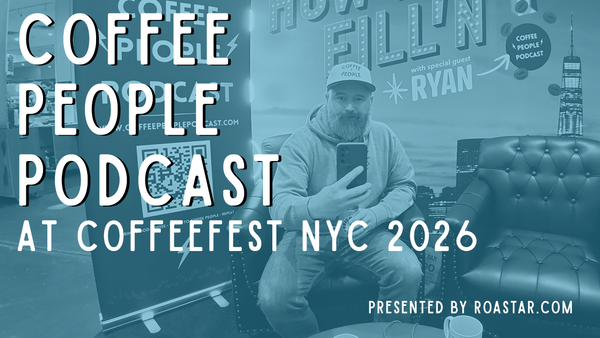
We visit with the guests of CoffeeFest NYC as part of the Roastar coffee packaging booth in March 2026.
Jean Brillman of White Horse Coffee Roasters in Jenkintown, PA was our first podcast guest at the Roastar booth during CoffeeFest NYC.
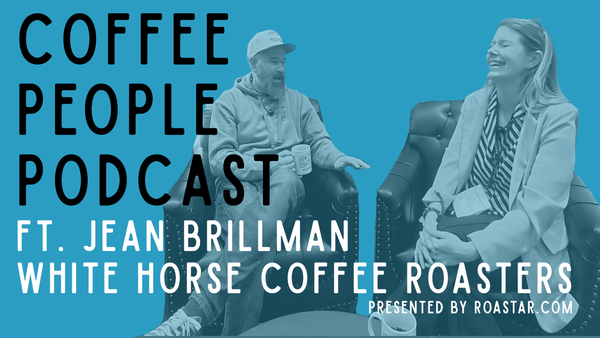
Jean Brillman of White Horse Coffee Roasters in Jenkintown, PA was our first podcast guest at the Roastar booth during CoffeeFest NYC.