Megan Kanzler, Olive Ridley Studios

We visit with the guests of CoffeeFest NYC as part of the Roastar coffee packaging booth in March 2026. This episode features Megan Kanzler, Founder of Olive Ridley Studios, a branding and creative agency for small-businesses.
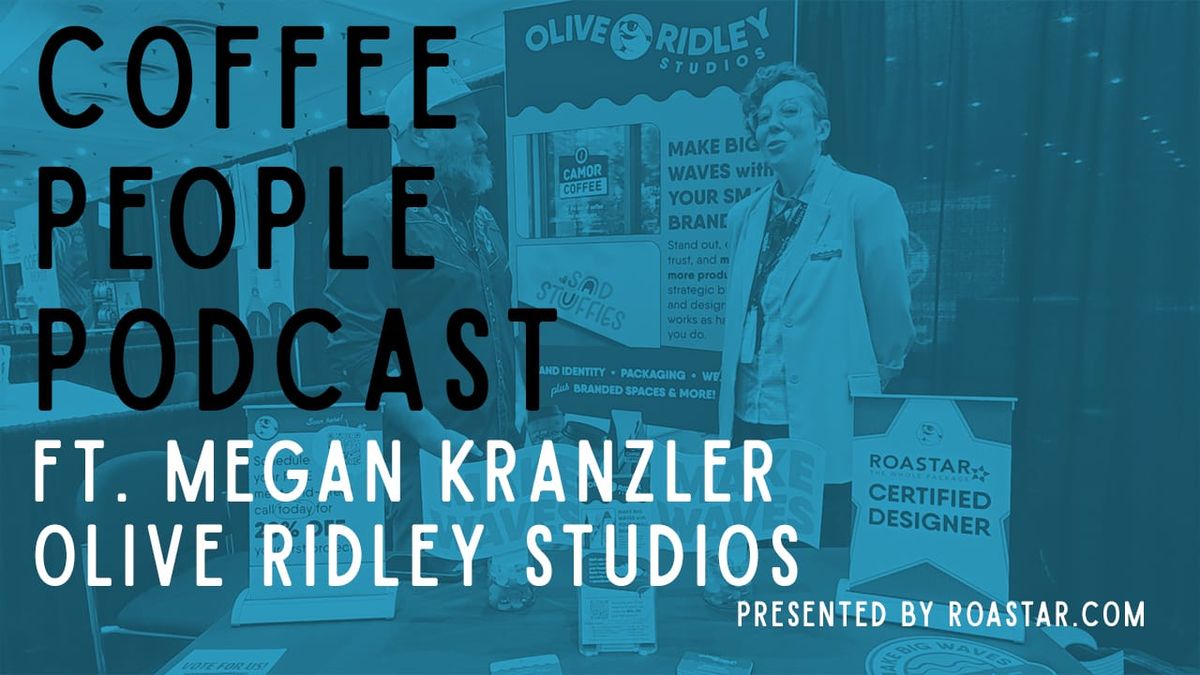
Megan Kanzler, Olive Ridley Studios

Full video posted below, or watch and/or listen to Coffee People on:
Apple Podcasts • YouTube • Spotify • All Your Favorite Platforms

What: A Creative Agency focused on small-business branding
Where:
Savannah, GA
What they order: Café au lait with oat milk
Find online: oliveridleystudios.com@oliveridleystudiosOn Roastar.com

Megan Kanzler is a designer, business owner, branding expert, and if the name of her business—Olive Ridley Studios—is an indicator, a fan of metaphor. Designing a coffee package or a logo or an ad is all part of the bigger ecosystem referred to as "BRAND."

According to Megan, your brand is how people perceive your business. Packaging is a big component, but at Olive Ridley Studios, they start with brand identity. Who and what is the brand? They try to answer that question with visuals that enable you to connect and share your story with your potential clients.

In the era of Canva and Fiverr, it is easier than ever to get a design produced. Need a menu? Here's a hundred templates? Need a logo for a sticker? No problem, just sign up for the discounted annual PRO plan!

But a brand is all-encompassing and often hard to define. Having an expert who is taking a bird's-eye view can help. When I walk around convention events, I'm mentally clocking the companies that are clearly downloading free design elements online. Some of them are pretty good. I've used them plenty, but what gets lost is foundational identity. That thing that makes you stand out, separates you from the pack, and shows your customer that you have value not offered elsewhere...

It's probably not in a template.

Full disclosure, I'm a semi-retired* graphic designer, and have an obvious bias toward hiring designers, if you can. That isn't to discount the very real benefit of budget-conscious design options available online. But if your company is something you're going to stake your reputation, identity, and pocketbook on as a small business, you'll find value in someone who can help show your story as much as tell it.

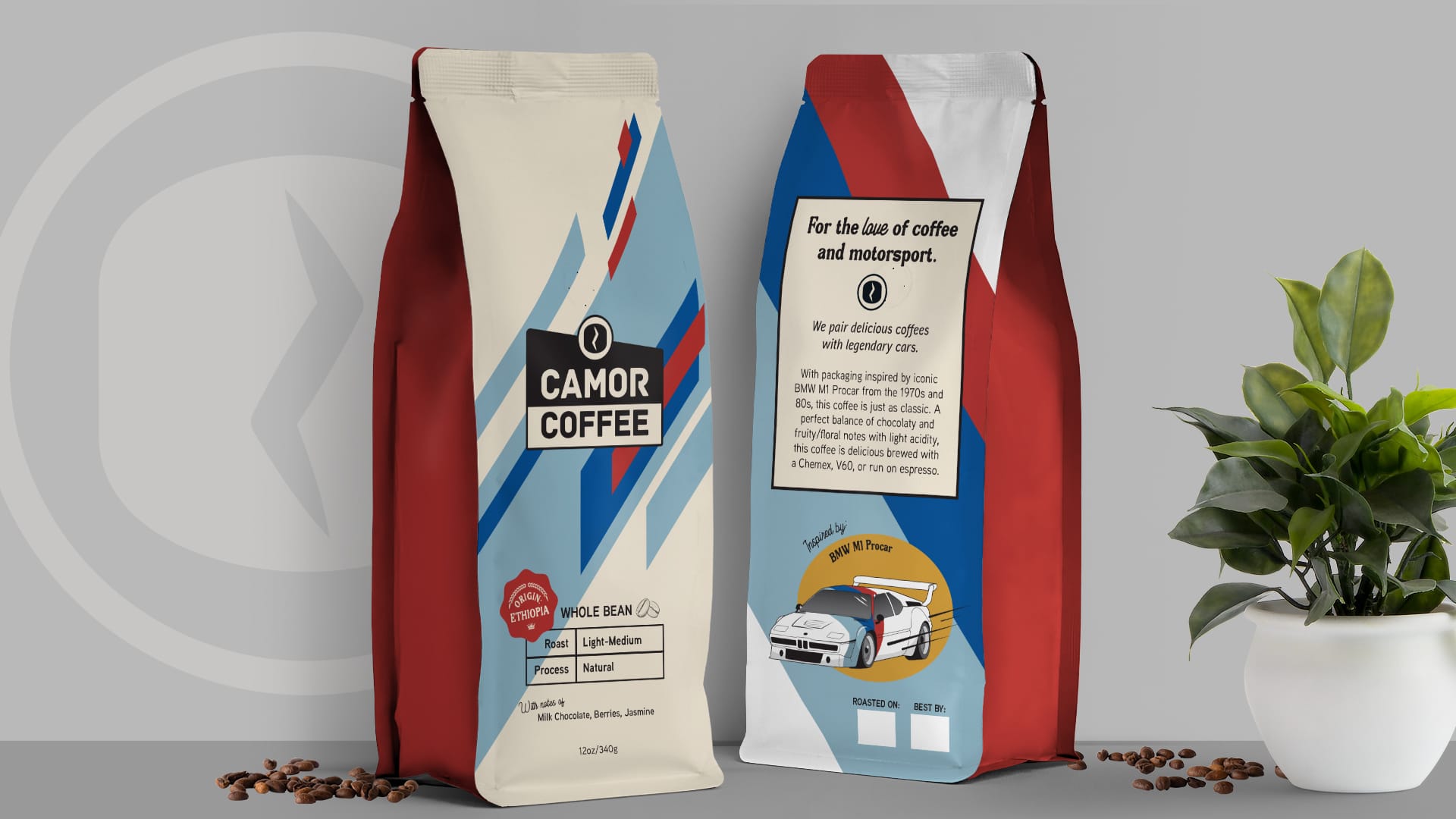
Stock photo of a flat-bottom coffee bag front and back. The design is a race car theme in the colors of red white and blue.
Coffee Package designed by Olive Ridley Studios for Camor Coffee. Photo courtesy of ©Olive Ridley Studios

KEY TAKEAWAYS FROM THE POD

  • Megan's goal at ORS is to specialize in helping small-businesses develop brand identity.
    • They are a Roastar Certified-Designer, meaning they've already got the chops and packaging understanding to work with the Roastar team to best develop a packaging design.
  • The result of brand identity is the feeling people get when they see your coffee bag on the shelf or look at your website.
  • This is my voice on the third day of a convention.
  • Megan was in the corporate design world, but left to create a smaller, funner, more colorful company that focused on small-businesses instead of the more staid corporate brands.
  • This is the second CoffeeFest for ORS, but first with a booth where they could spend real time with potential customers. They're based in the South East, but work with clients all over.
  • Her drink is the Café au lait with oat milk. An au lait differs from a coffee with cream because the milk is heated or steamed before being added to the coffee.
  • The turtle in their logo is named Olive, and the company is named after the smallest of the sea turtles. According to Megan, small businesses, like sea turtles, are born into a wild dangerous place.

IT'S HARD OUT HERE FOR A TURTLE

Love the Smithsonian Channel!

The list of predators* that might impact the lifespan of an Olive Ridley sea turtle is long, like, really, really long. It includes:

    • Turtle eggs are suceptible to raccoons, coyotes, feral dogs and pigs, opossums, coatimundi,* caimans, ghost crabs, sunbeam snakes.
    • Baby turtles (#socute) travel across the beach to the water in what becomes a veritable crucible hoping to avoid vultures, frigate birds, crabs, raccoons, coyotes, iguanas, and snakes.
    • Even the water isn't safe. The hatchlings have to keep an eye out for oceanic fishes, sharks, and crocodiles.
    • Should they survive into adulthood, things are a bit more smooth sailing. Outside of tiger sharks, crocodiles, and killer whales are their biggest threats in the water. On land the nesting females may fall prey to jaguars, which are the only cat with a bite that can penetrate a sea turtle's shell.
    • Of course, humans are the leading threat. We are responsible for "unsustainable egg collection, slaughtering nesting females on the beach, and direct harvesting adults at sea for commercial sale of both the meat and hides."
    • Non-living threats to an Olive Ridley turtle include boat collisions, trawling, gill nets, longline and pot fishing, not to mention being tangled up in marine debris.

Beyond all the external threats, egg loss due to disease, bacteria, or even being dug up by another sea turtle looking for a place to lay eggs are challenges that may prevent a turtle from surviving long enough to be the star of a Pixar movie or anti-plastic campaign.

By comparison, a small business might seemingly have it easy. All they need to do is make sure they have enough money, skill, time, and support to open the doors. Then be able to maintain a consistent and growing customer base (often with fickle taste and/or limited loyalty) in a competitive marketplace without falling prey to unexpected tariff impacts, costly repairs, marketing mistakes, forgetting to pay quarterly sales taxes, and continually improve the product.

Okay, maybe not so easy.

If you had to choose...

Would you rather be a baby turtle hatchling? Or a burgeoning small business?

*From Wikipedia and reinforced through other search.


LONG FORM READING & WRITING

Thank you for reading this far into the newsletter. As an editor, I've (oft) struggled to cut down the newsletter into bite-sized pieces. The goal is that more people would read at least portions of the e-mail and be inspired to listen to and subscribe to our podcast. In theory, shorter e-mails lead to more engagement through the finish, which is good for creating an analytics spreadsheet, but...

I like to read long form. And sometimes, I like to write long form. I always worry that might turn off a reader or supporter. Then I read the recent article by Hailey Moore on The Radavist about new long form non-profit newsroom Re:Public that tackles issues related to public lands and the outdoors.

In an interview with GearJunkie, in September 2025, shortly after Re:Public’s launch, Keyes said when he became editor of Outside, “the conventional wisdom was that attention spans were diminishing. I didn’t believe it then, and I don’t believe it now. People will read long stories online if you put it in an inviting environment that’s not obliterated with pop-up ads and other distractions. I think there will always be a demand for that.”

It was a good reminder that rules are only rules for achieving a narrow outcome or following the status quo. Expect more fun long (and short) work on this site moving forward.


COFFEE PEOPLE ARE SEXY

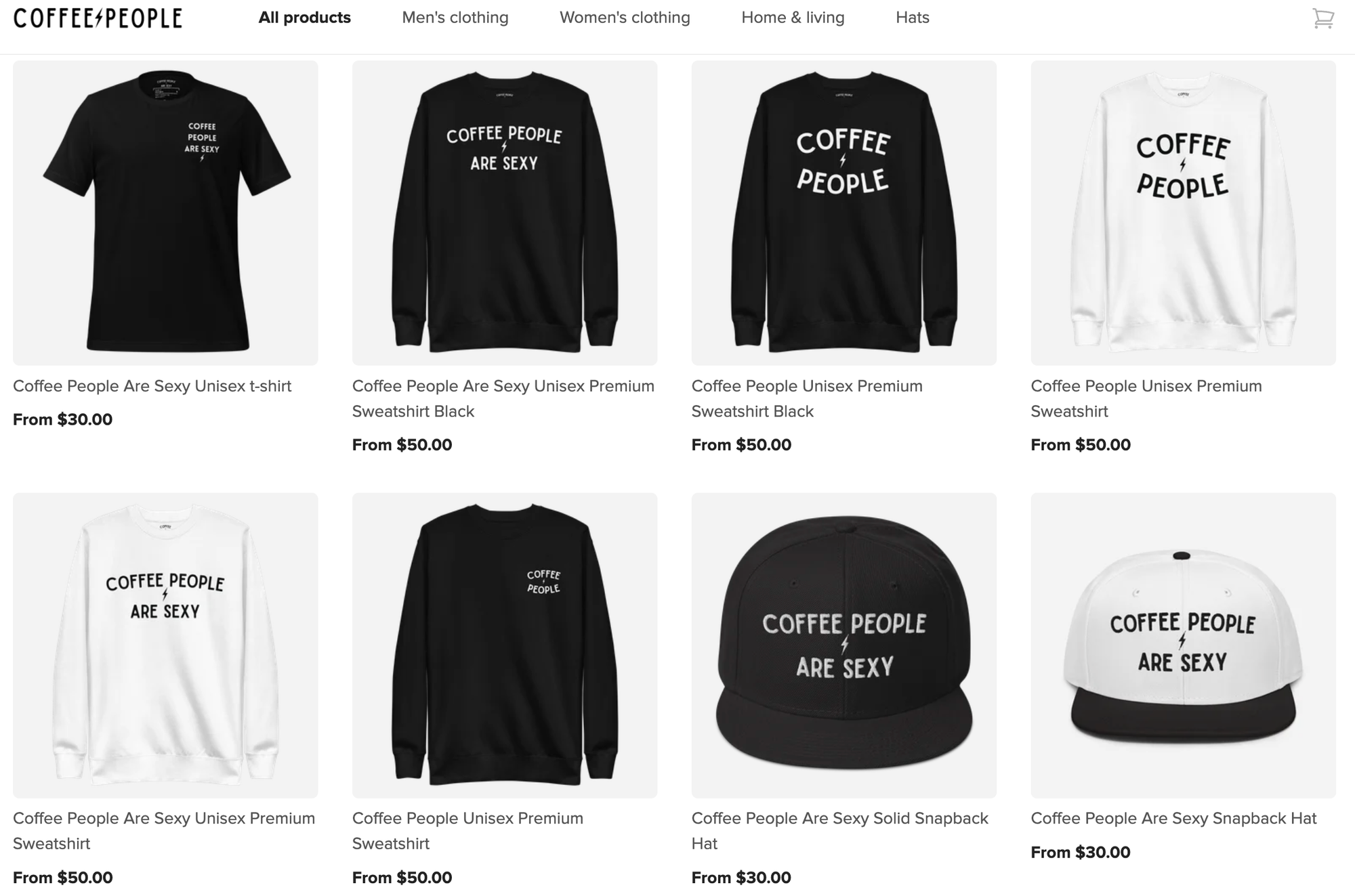
Speaking of fun! Be sure to check out all of our Coffee People Are Sexy gear in our online shop.

A screenshot of the Coffee People Are Sexy online shop featuring hats and shirts.
#CoffeePeopleAreSexy

Or head to Etsy where we'll be sharing our gear, books, and artwork.