Coffee Smarter Pro: The Price of Packaging.
Ft. Nick Schmitt, Specialty Coffee Ambassador at Roastar.
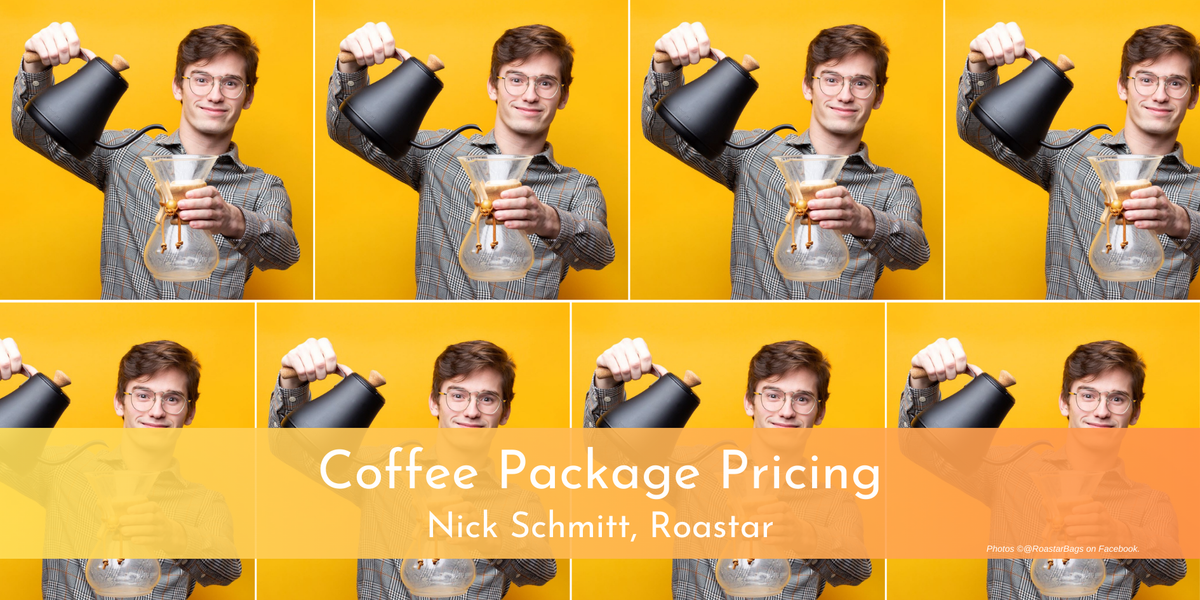
Ft. Nick Schmitt, Specialty Coffee Ambassador at Roastar.
Guest: Nick Schmitt, Roastar
Role: Specialty Coffee Ambassador
Based: Wausau, WI
Online: www.roastar.com • @roastar

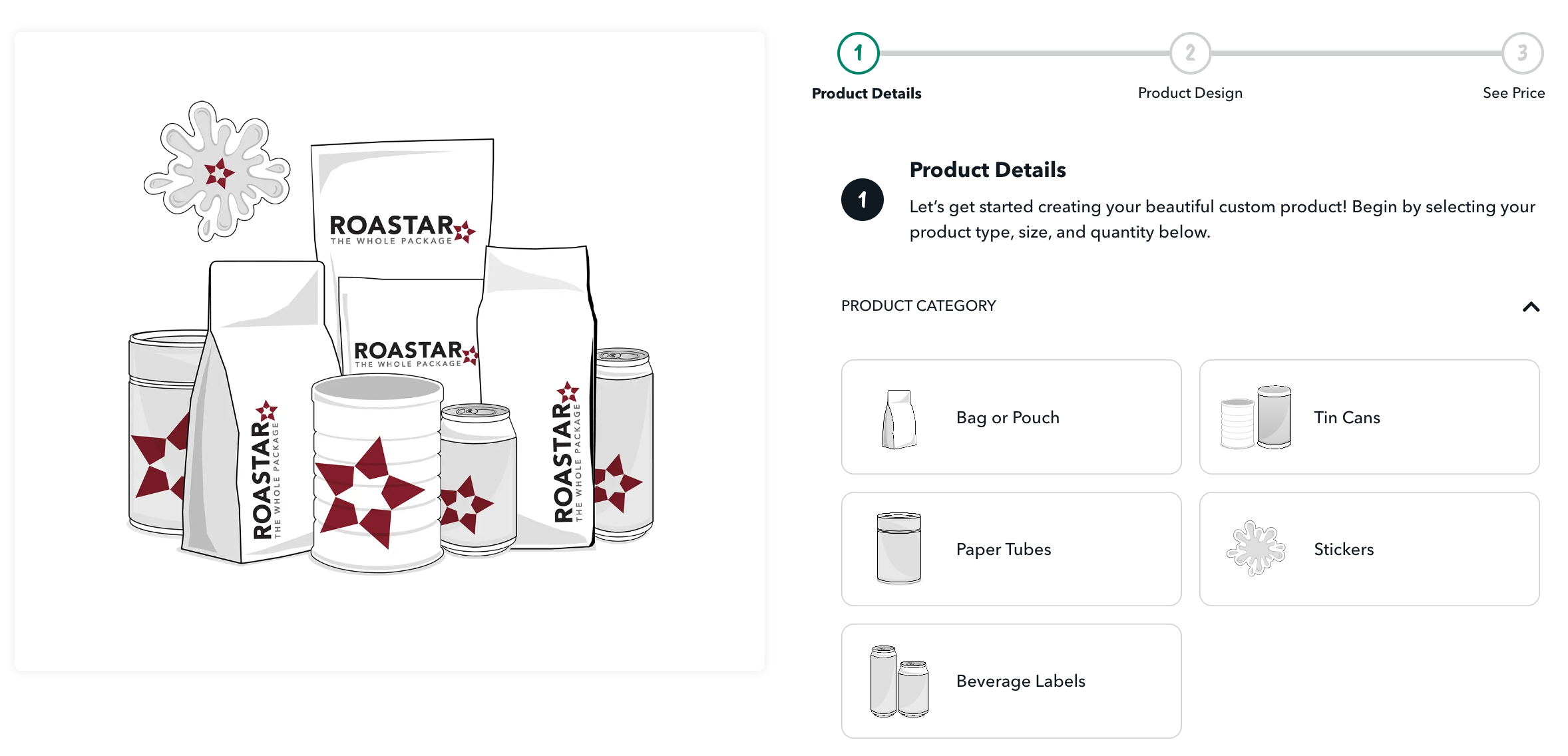
Things to think about when pricing coffee packaging include:
How do you want this package to represent your brand? What message do you want to present to your customer about you? What information is essential to share on that package?
Where will this package be displayed and/or stored? Do they need to stand up on a shelf like a flat bottomed gusseted bag?
What, if any, are your package size preferences or constraints?
What is your budget? There will be price breaks based on the total order quantity.
How many different designs or product lines need packaging? Does each product line have or need a unique design?
What is the quantity you’re looking for? Is it limited in scope or part of your core lineup? Different packaging styles will have different minimums, but at Roastar, you can order certain styles in bundles as few as 500 total bags, which can be broken down in multiple styles. Not requiring high-quantity minimums one of the bigger advantages Roastar offers small businesses.
I had to say bag a lot during this episode, and my Midwest started to come out.
How much coffee will fit in the bag will vary depending on the coffee because even though the bag sizes are constant, the shape and size of your coffee beans are not.
Different bag styles have different dimensions. This matters depending on where you are selling. You may have a certain space allotment to display the product. This is particularly true in the grocery marketplace.
You can reduce costs by choosing from a pre-designed template.
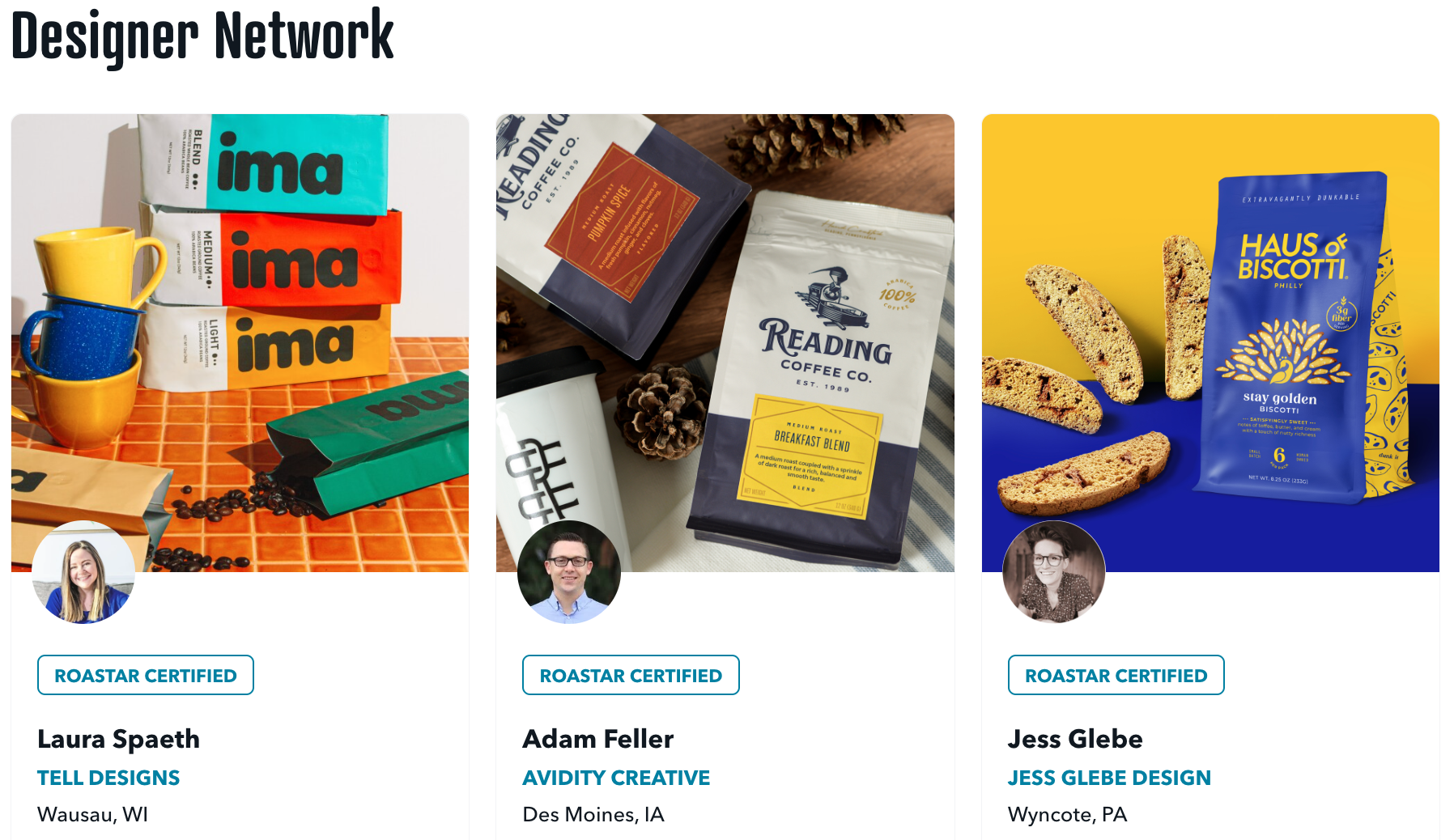
Some of your initial design assets may already be completed (logo/brand identity). If not, you might want to consider working with a graphic designer who specializes in packaging. Roastar has a database of designers they’ve worked with in the past.
Quantity Tolerance: Meaning the number of bags that end up being printed for an order. The total will be close to the ordered amount, but not exact due to the constraints of printing machines. This is a common printing industry standard. At Roastar the tolerance on an order of 1000 is +/- 50 bags. It isn’t much, but it is one of those little things to prepare for.
A huge, on-going thank you to all of this show’s industry partners.
Roastar • Zumbar Coffee & Tea • Steady State Roasting • Mostra Coffee • Coffee Cycle • Camp Coffee Company • Ignite Coffee Company • Ascend Coffee Roasters • Marea Coffee • Cape Horn Green Coffee • Hacea Coffee Source • Crossings Coffee • Acento Coffee Roasters • Sivitz Roasting Machines • Craft 42 Roasters • Me and My Uncle Coffee Roasters

Are you digging our coffee podcasting and newsletter efforts? Show your support by buying us a cup of coffee. Thanks for listing and all your support.
Thank you for reading Roast! West Coast. This newsletter is always free to the public thanks to our partners and subscribers.
Check out our World of Coffee free coffee giveaway collaboration with Roastar Coffee Packaging, featuring Coffee Santa
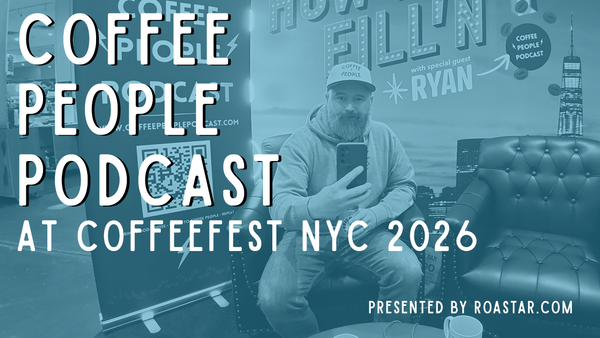
We visit with the guests of CoffeeFest NYC as part of the Roastar coffee packaging booth in March 2026.
Jean Brillman of White Horse Coffee Roasters in Jenkintown, PA was our first podcast guest at the Roastar booth during CoffeeFest NYC.
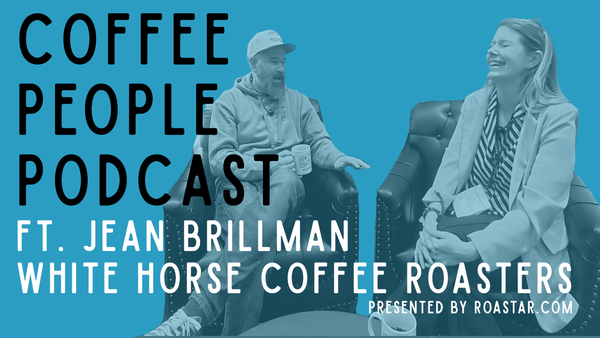
Jean Brillman of White Horse Coffee Roasters in Jenkintown, PA was our first podcast guest at the Roastar booth during CoffeeFest NYC.